 Space Physics
Numerical investigations of energetic particle transport in the heliosphere with focus on Jovian and Kronian electrons. My work includes three-dimensional modulation models, spacecraft observations and the influence of solar activity on energetic particle propagation.
-
Diploma Thesis (Abstract)
Energetic electrons, observed with the Kiel Electron Telescope (KET) on board the Ulysses spacecraft, are simulated over a complete solar activity cycle on the basis of a three-dimensional model for the first time. It is demonstrated that the solar activity has an effect especially at high heliographic latitudes. For the first time the solar wind and energetic electrons were observed in these high latitudes by Ulysses. The findings of the Ulysses mission lasting now almost 15 years provide a substantial base for this study. The Jovian electron source is considered for the simulation of the electron fluxes within the heliosphere as well. In line with these simulations two models are suggested, formulated and tested. Both characterize the varying velocity fields of the solar wind over a solar cycle. A time-dependent anisotropic diffusion tensor was also tested, in order to figure out the variation of the emission rate of Jovian electrons from KET observations. - View Diploma Thesis
-
Conference Poster
Are there Kronian electrons in the inner heliosphere?
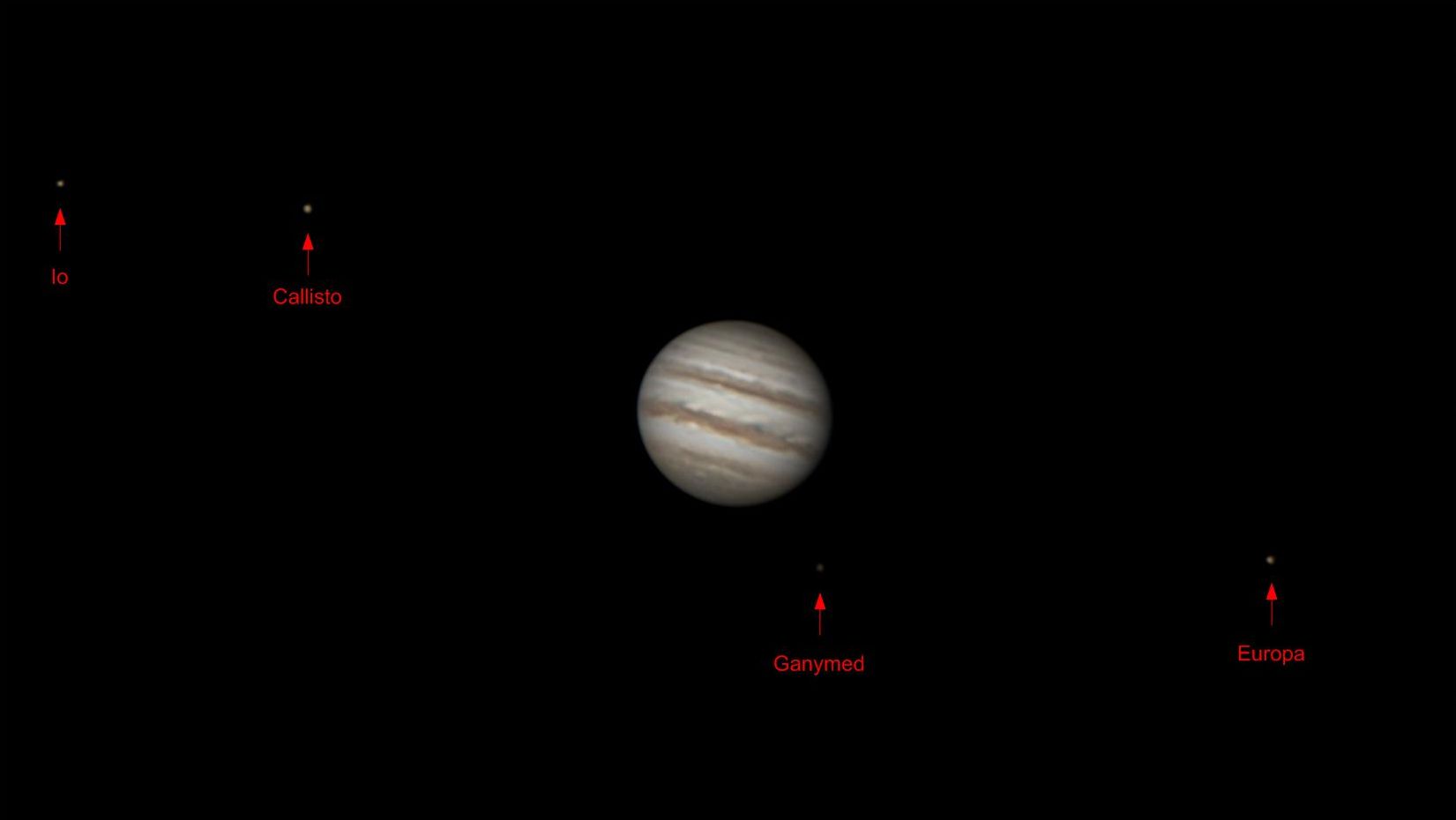
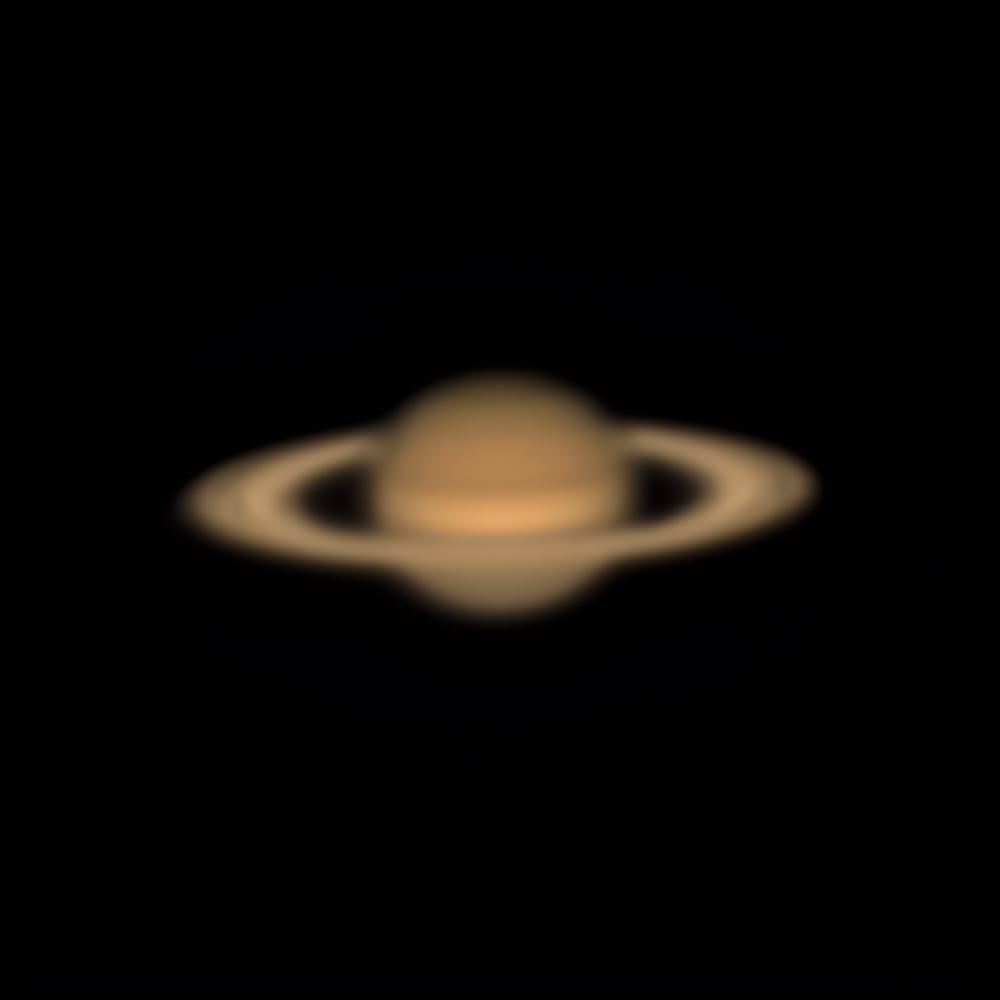
The Jovian magnetosphere as the largest in our solar system is treated in the literature as the dominant source of a few-MeV electrons, which have been measured by various spacecraft. On the basis of a time-dependent threedimensional modulation model the transport of MeV electrons in the heliosphere is simulated. For this purpose the cosmic rays, the Jovian and the Saturnian electron sources are, for the first time, considered together in the simulation of electron fluxes. The simulated electron intensities are discussed along the Ulysses and Cassini trajectories. Our results reveal that the electrons from the Kronian magnetosphere, as the second largest, can not be neglected in the very-low MeV energy range. - View Conference Poster
 Plasma Physics